- Clearance
- Hair
- Hair Care
- Hair Styling
- Top Brands
- Recommended
- Electrical
- Hair Tools
- Top Brands
- Recommended
- Refurbished Hair Tools
- Refurbished Hair Tools
- Top Brands
- Beauty & Accessories
- Beauty
- Accessories
Brands / 22nd Apr 2026
Share


Why Hair Care Becomes So Important During Menopause
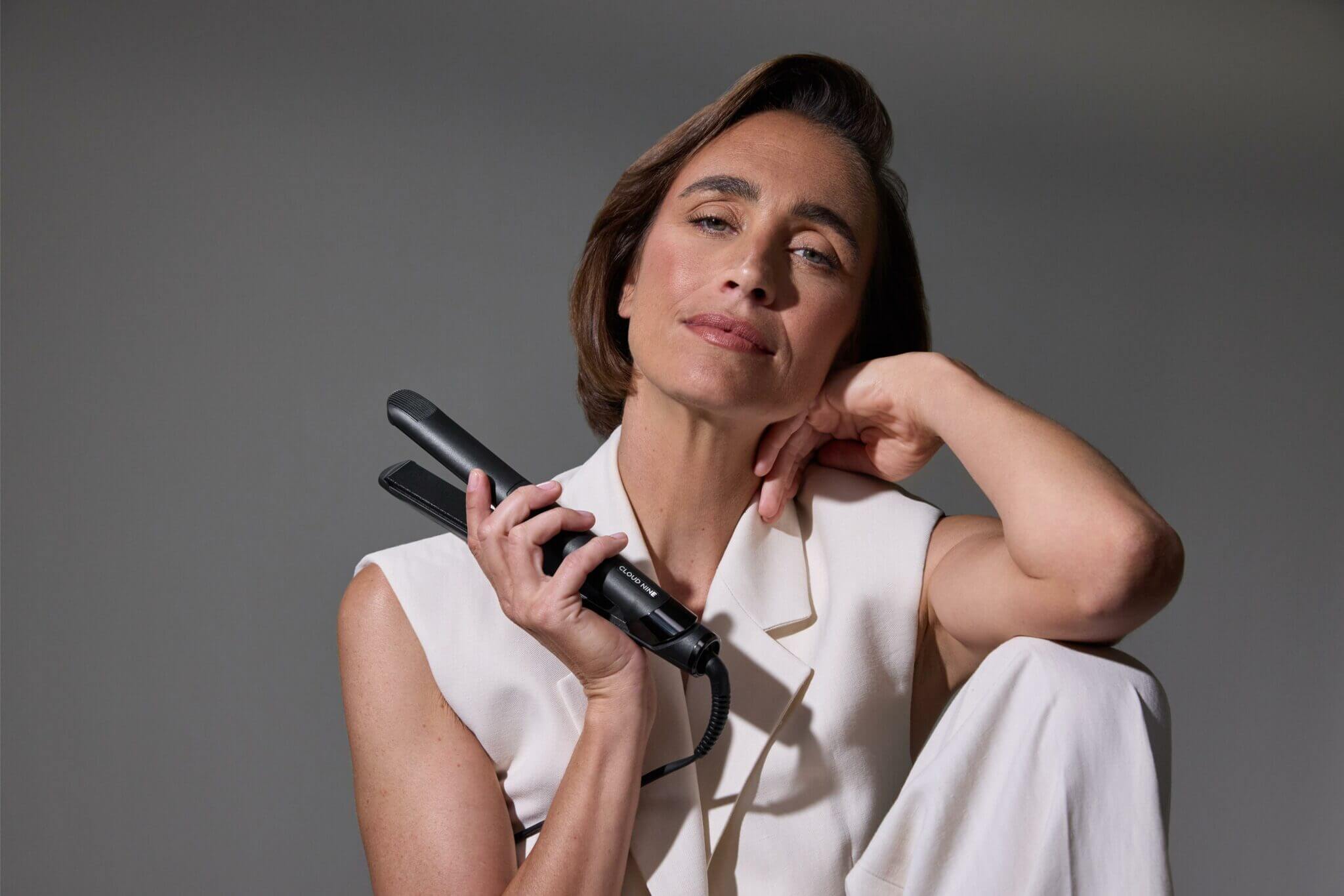
Menopause isn’t just about hot flashes and mood shifts—it quietly changes your hair, too. For many women, it can feel like their once-predictable routine suddenly stops working. Hair might thin, lose its shine, or become dry and fragile. And while that can be frustrating, it’s also completely normal.
Understanding why these changes happen—and how to respond—can make a big difference.
1. Hormones Change Everything
During menopause, levels of estrogen and progesterone drop significantly. These hormones play a key role in keeping hair in its growth phase.
As they decline, hair may grow more slowly, shed more easily, and feel noticeably thinner. At the same time, the relative increase in androgens (male hormones) can lead to changes in texture—or even hair loss in some cases.
2. Hair Becomes Drier and More Fragile
Hormonal changes also affect oil production on the scalp. Less natural oil means hair can feel rougher, duller, and more prone to breakage.
This is why hair care becomes less about styling and more about nourishment—hydration, gentle handling, and protecting what you have.
3. Scalp Health Matters More Than Ever
Healthy hair starts at the scalp. During menopause, some women experience dryness, sensitivity, or irritation, which can impact hair growth and comfort.
Conditions like androgenetic alopecia may also become more noticeable during this time. Paying attention to scalp care—through gentle cleansing and targeted treatments—can help support healthier hair overall.
4. Confidence and Identity Play a Role
Hair is deeply tied to how many women see themselves. Changes in thickness or texture can feel personal, even unsettling.
Taking control of your hair care routine isn’t just about appearance—it’s about maintaining a sense of familiarity and confidence during a time of broader change.
5. The Right Care Can Make a Visible Difference
While menopause-related hair changes are natural, the right approach can help you manage them effectively. This might include:
Switching to more hydrating, sulfate-free products
Reducing heat styling and harsh treatments
Using volumising or strengthening formulas
Considering professional advice if hair loss becomes significant
Small adjustments can go a long way in improving how your hair looks and feels.
The Bottom Line
Hair care during menopause matters because your hair itself is changing. What worked before may no longer be enough—and that’s okay.
With the right care, patience, and understanding, you can adapt your routine to support healthier, stronger hair. It’s not about reversing time—it’s about working with your body as it evolves.
Share